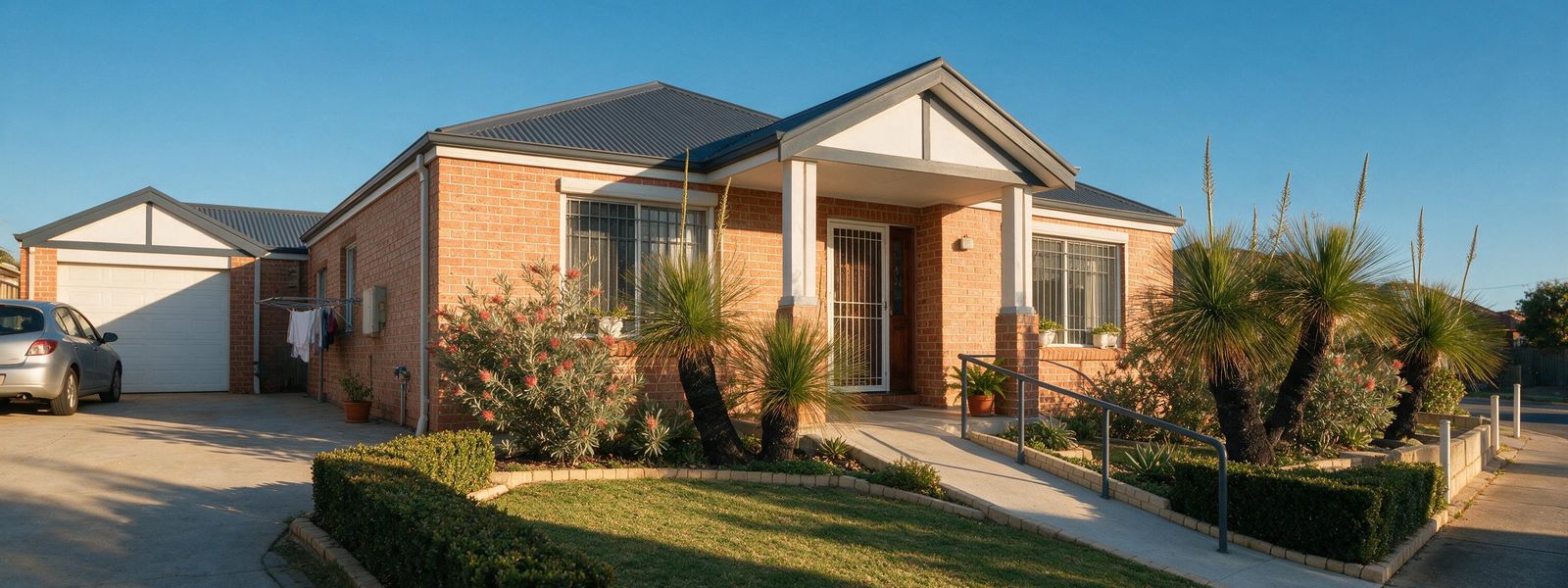
A single-storey brick home in suburban Adelaide with a ramp and handrail to the front door

NDIS housing and accommodation in Adelaide

A home you choose, support that's actually there.

There are four kinds of National Disability Insurance Scheme (NDIS) accommodation support, funded differently: Supported Independent Living (SIL) for a permanent shared home, Medium Term Accommodation (MTA) for up to 90 days, Short Term Accommodation (STA) for a short stay, and tenancy assistance to keep your home. Complete Choice is registered for all four.

Short Term Accommodation is now also called short term respite. We provide all four across Adelaide, within 100km of the CBD.

Read about our support in Hillcrest, Magill, Munno Para West and Salisbury.

Which NDIS housing support do I need?

It depends on what you need the support for. Supported Independent Living (SIL) is for a permanent home with support there around the clock. Medium Term Accommodation (MTA) bridges up to 90 days before a long-term home. Short term respite gives the people who support you a break. Tenancy assistance helps you keep a home you rent.

SupportBest forHow longWhat the NDIS funds
Supported Independent LivingA permanent home with support on siteOngoingThe support, not the rent
Medium Term AccommodationSomewhere to live while your permanent home isn't ready, or after hospitalUp to 90 days, usually onceThe accommodation only
Short Term Accommodation / respiteA short stay, so the people who support you get a breakUsually up to 28 days a year, stays of up to 14 daysYour support during the stay, and standard accommodation
Accommodation & tenancy assistanceKeeping the home you already haveOngoingHelp meeting your tenancy obligations

Not sure which one?

Start with one question: what are you trying to do right now? Move into a permanent home with support, bridge a gap before that home is ready, give the people who support you a break, or keep the home you already have. Each points to a different support, and sometimes you can have more than one.

If none of those quite fits, call 08 7009 4462. Working out which funding applies is a normal first conversation — not homework you should have to finish before you ring.

Current vacancies

4 SIL vacancies, last checked 22 October 2026.

See current vacancies
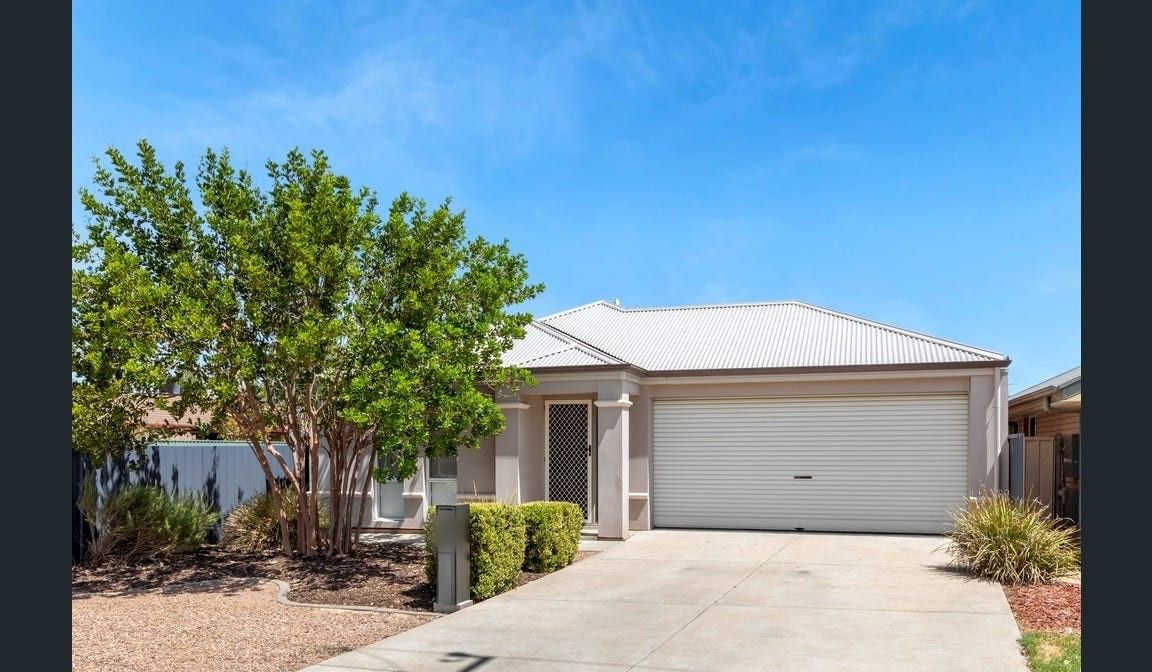
The front of the Condamine Street home in Hillcrest, with a double garage and a paved drivewayAvailable

Hillcrest

Condamine Street

  • 3 bedrooms
  • Main bathroom, ensuite and separate toilet bathrooms
  • 5.1m x 4.7m living

Three bedrooms — 3.6m x 3.5m with a walk-in robe and ensuite, 3.5m x 3.0m, and 3.3m x 3.0m with a built-in robe. Which room is available, and what furniture is included, to be confirmed.

Rooms available — call to check which room

Last checked 22 October 2026
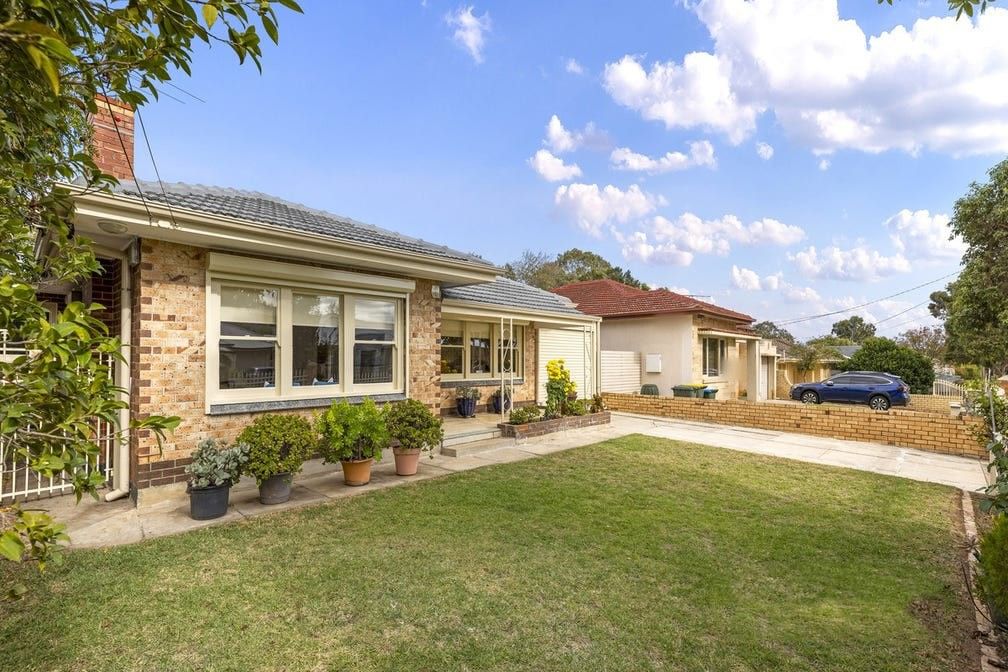
The front of the Colton Avenue home in Magill, a single-storey brick house set back behind a lawnAvailable

Magill

Colton Avenue

  • 4 bedrooms
  • 2 bathrooms
  • 4 spaces parking

Separate granny flat and additional studio rooms on a 614m² block. Exact room dimensions, built-in storage and window aspect to be confirmed.

2 rooms available

Last checked 22 October 2026

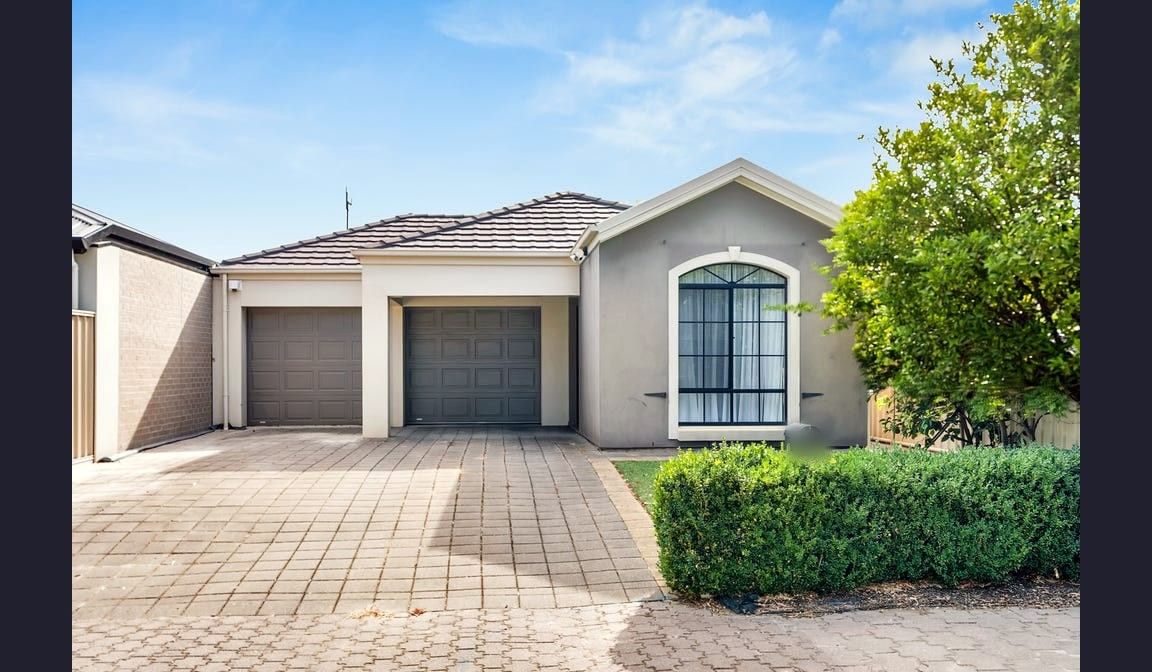
The front of the Peerless Road home in Munno Para West, with a double garage and established gardenAvailable

Munno Para West

Peerless Road

  • 3 bedrooms
  • 2 bathrooms and toilets
  • 4 secure spaces parking

Room dimensions, built-in storage, window aspect and whether the available bedroom has an ensuite to be confirmed.

3 rooms available

Last checked 22 October 2026

One honest boundary

We provide the support in these homes. We're not a Specialist Disability Accommodation (SDA) provider — our homes are standard rental properties made accessible, not purpose-built SDA. If you need purpose-built housing, we'll tell you, and we'll help you look.

How do I apply for NDIS housing?

You ask the National Disability Insurance Agency (NDIA) for home and living supports through your my NDIS contact. Before you do, list your support needs and housing goals, then gather recent evidence from your treating health professionals, such as an occupational therapist. The NDIA decides whether to include the supports in your plan, and tells you why if it doesn't.

  1. Think about what you need: the daily tasks you need support with, your goals for where and who you live with, and the help you already get from family, friends and community.
  2. Talk to your my NDIS contact. They explain the home and living options and help you explore which might suit you.
  3. Provide recent evidence from your treating health professionals: your daily support and housing needs, what you can and can’t do because of your disability, and what other options you’ve tried.

A Support Coordinator can help you gather the evidence. Support Coordination

Questions people ask

What's the difference between SIL and SDA?

Supported Independent Living (SIL) pays for the people who support you: support workers who help or supervise you at home, up to 24 hours a day. Specialist Disability Accommodation (SDA) pays for a purpose-built home for people with extreme functional impairment or very high support needs. They’re separate parts of your plan, and you can have one without the other. Complete Choice is registered for SIL, not SDA.

Does the NDIS pay my rent?

No. The NDIS doesn't pay rent or bills. Supported Independent Living (SIL) funding covers the support you receive, not your housing costs, and you pay rent, board, food and utilities from your own income, usually including the Disability Support Pension. Medium Term Accommodation (MTA) works differently: it covers the accommodation itself, for up to 90 days, but not food or bills.

Does the NDIS fund housing?

Only in limited ways. The NDIS doesn't pay rent, bills or day-to-day living costs. Specialist Disability Accommodation (SDA) funds purpose-built housing for people with extreme functional impairment or very high support needs. Medium Term Accommodation (MTA) can fund somewhere to live for up to 90 days in specific circumstances. Other supports help you find a home, keep it and live in it as independently as you can.

Who qualifies for NDIS housing?

It depends on the support, and not every NDIS participant is eligible for home and living supports. Supported Independent Living (SIL) may suit you if you need someone with you 24 hours a day, including overnight. Specialist Disability Accommodation (SDA) is for extreme functional impairment or very high support needs. The National Disability Insurance Agency (NDIA) decides, based on evidence from your treating health professionals.

What is Medium Term Accommodation?

Medium Term Accommodation (MTA) is NDIS funding for somewhere to live for up to 90 days while you wait to move into a more permanent home: your home isn't ready yet, modifications are underway, or you're leaving hospital. It covers the accommodation only. Your day-to-day support continues through your other funded supports. MTA is usually a one-off, and it isn't emergency housing.

How long can I stay in Short Term Accommodation?

Short Term Accommodation (STA) is usually funded for up to 28 days a year. You can use it flexibly, for example in stays of up to 14 days at a time, or one weekend a month. Since October 2025 the NDIS calls it short term respite. The funding has to last for the whole length of your plan.

Do I need a Support Coordinator to arrange housing?

No, but it helps. A Support Coordinator can gather the evidence for a home and living request and manage the process with the National Disability Insurance Agency (NDIA). If you have Supported Independent Living (SIL) funding, you may have funding for a coordinator too. We're registered to provide Support Coordination ourselves, and we'll tell you honestly whether you need it.

Which suburbs do you cover?

Adelaide, within 100km of the CBD. That's not statewide, and not regional South Australia. Our Supported Independent Living (SIL) homes are currently in Hillcrest, Magill, Munno Para West and Salisbury North, and in-home support, such as personal care and household tasks, runs across the whole metropolitan area. You don't need to live in one of our homes to have us support you.

Talk to someone who can actually answer.

Call 08 7009 4462 and you'll reach a person who knows what's available today — not a call centre reading a screen.

08 7009 4462

Mobile 0424 000 751